
The AI Video Stack of 2026
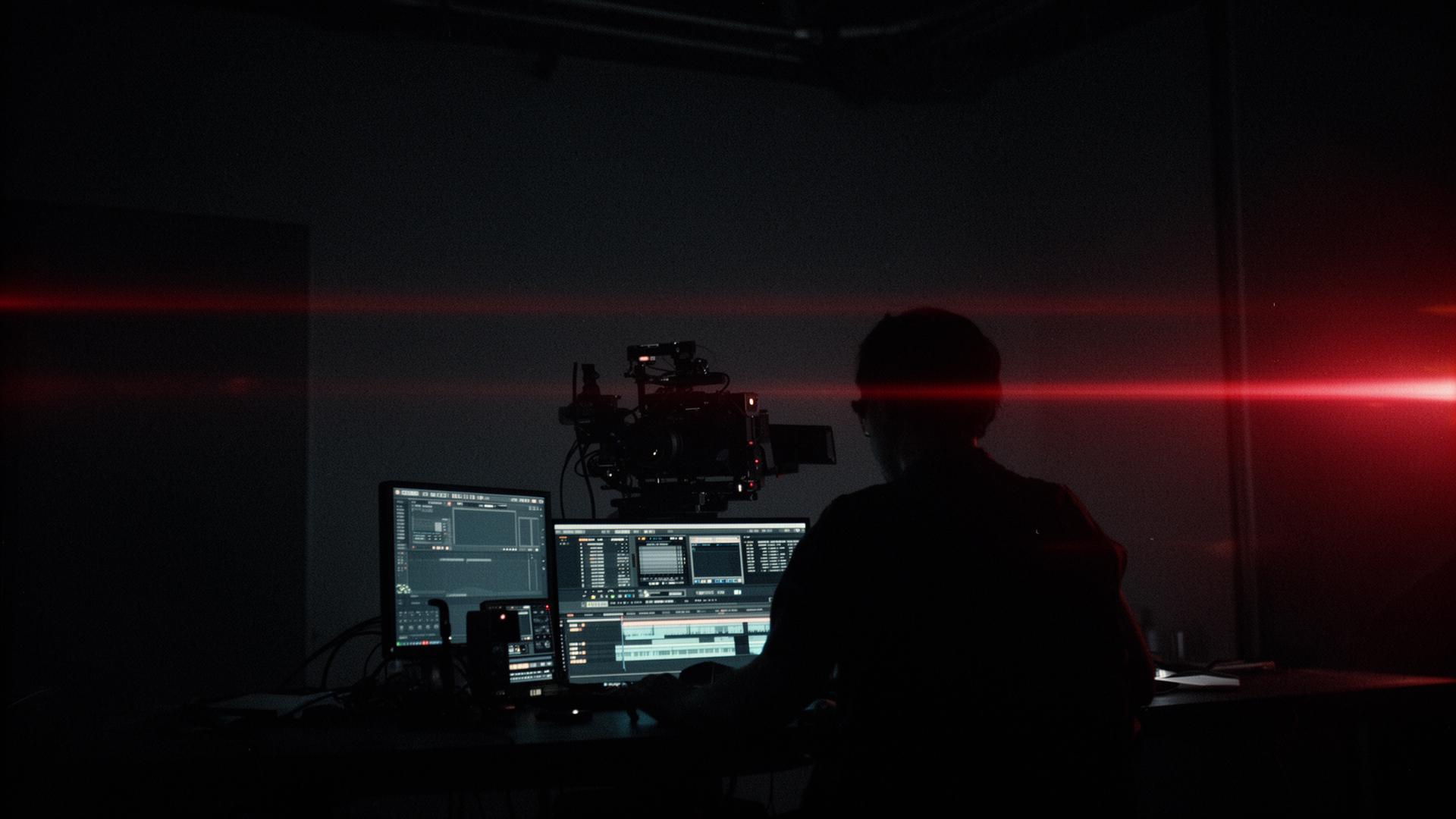
A field map of the tools, workflows, and roles redefining cinematic production.
The shift underneath the format
The AI Video Stack of 2026 matters because the role of video has changed. It is no longer a campaign accessory or a final layer added after strategy is complete. It is often the first place a market understands what a company believes, how a product behaves, and whether the brand has the taste to be trusted. AI video is becoming a full production layer, not a novelty effect.
For brand leaders, founders, and creative teams, this creates a different kind of pressure. The work has to be fast enough for modern distribution, but considered enough to carry executive credibility. The strongest teams are not asking how to make more assets. They are asking how to build a video language that can scale without becoming ordinary.
For Meta2 Studio, the useful question is not whether the ai video stack of 2026 belongs in a content plan. It is whether the organization has designed the standards, review rhythm, source material, and distribution logic required to make the work compound. A strong asset can create attention for a day. A strong system can make the brand easier to understand every time it publishes.
Why the old workflow breaks
The failure pattern is familiar: a team commissions a film, cuts a few social edits, posts them, and starts again from zero the following month. That model creates moments, not memory. It also makes every new idea expensive because the system never learns. The stack is expanding faster than most production cultures can absorb it.
A more mature approach begins by separating the durable parts of the story from the disposable parts of the asset. The thesis, audience belief, visual standards, proof points, and editorial rules should compound. The individual cuts, hooks, crops, and captions can change quickly. When those layers are confused, teams either move slowly or publish work that feels disconnected.
That distinction matters because premium audiences recognize shortcuts quickly. They may not know which tool was used, which editor made the cut, or which workflow moved the asset through review, but they can feel whether the piece has a point of view. The public result should feel authored, deliberate, and useful — never manufactured for volume alone.
The operating model
A serious stack connects concept development, previsualization, live capture, editorial, color, sound, and versioning. The model is closer to an editorial room than a traditional agency handoff. Strategy, production, post-production, and distribution sit in one loop. Each asset teaches the next asset what to sharpen, what to remove, and what the audience is actually responding to.
That is where intelligent production workflows become useful. Research, transcripts, selects, versioning, scheduling, and analytics can be structured so creative people spend more time on judgment. The goal is not to make content feel automated. The goal is to give the team enough leverage to protect taste at a higher cadence.
The practical path is to make the invisible parts of production visible to the team: the brief, the thesis, the audience state, the proof standard, the internal links, the reusable scenes, and the publishing window. Once those elements are defined, speed becomes less risky because every new asset is governed by the same editorial architecture.
What premium execution looks like
The best teams choose tools by creative function, not by hype cycle. Premium execution is visible in the small decisions: the first frame, the silence before a line, the way a product is revealed, the grade of a founder interview, the restraint of a motion sequence, and the edit point that makes an idea land. These details are not decoration. They are the trust layer.
The best brands treat those details as a system. They define what a strong hook sounds like, what visual density is acceptable, how captions should feel, when a claim needs proof, and how a long-form idea becomes short-form without losing context. That system is what prevents scale from turning into a commodity.
For Meta2 Studio, the useful question is not whether the ai video stack of 2026 belongs in a content plan. It is whether the organization has designed the standards, review rhythm, source material, and distribution logic required to make the work compound. A strong asset can create attention for a day. A strong system can make the brand easier to understand every time it publishes.
Where leaders should focus next
Runway, Pika, Midjourney, Resolve, Premiere, After Effects, Descript, and Notion each play different roles when the workflow is designed well. Start with the content you already have, the conversations your team repeats, and the stories customers already respond to. Then build the architecture around those truths: flagship narratives, recurring formats, source capture, editorial review, repurposing logic, and publishing rhythm.
Audit your current production path and identify where iteration is expensive, where approvals stall, and where a shared visual system would create leverage. The future belongs to teams that can combine cinematic taste with operational discipline. They will not win because they post the most. They will win because every piece of video feels like it came from the same intelligent studio system.
That distinction matters because premium audiences recognize shortcuts quickly. They may not know which tool was used, which editor made the cut, or which workflow moved the asset through review, but they can feel whether the piece has a point of view. The public result should feel authored, deliberate, and useful — never manufactured for volume alone.